Your agency's dashboard shows green. Your revenue doesn't.
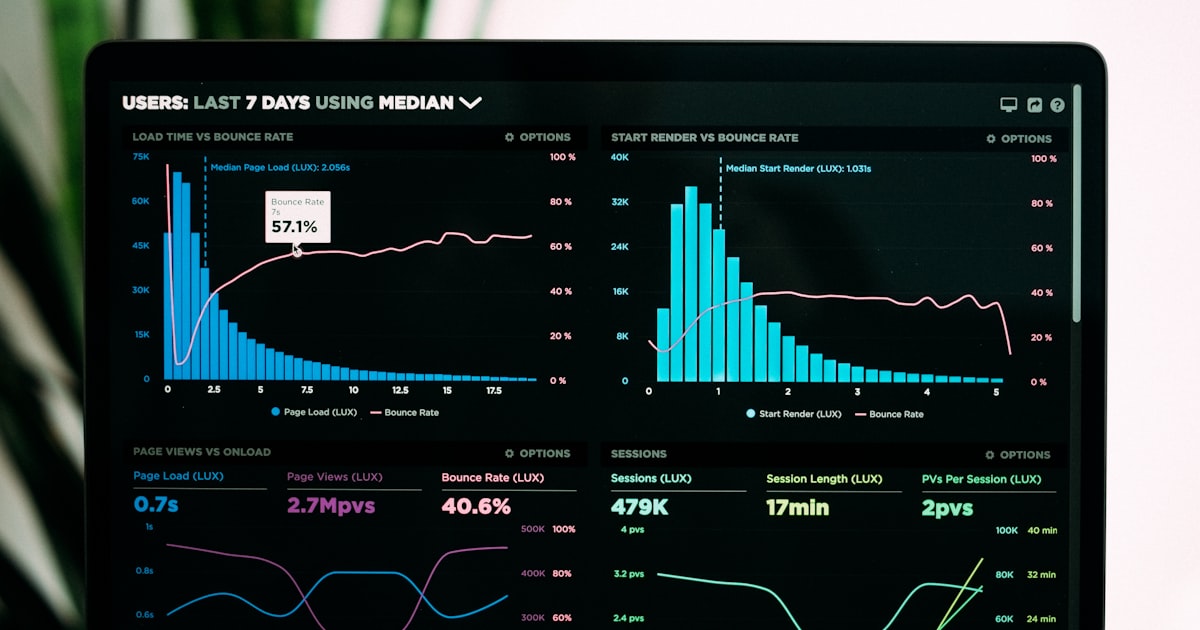
Roughly 70% of marketing leaders feel confident their budgets are deployed effectively. Over 40% of those same leaders admit their spend isn't delivering its full value. That gap has a name. DemandScience calls it the Data Mirage.
Your agency's weekly report shows impressions up, reach up, follower count up. Green arrows everywhere. You close the tab and open Shopify and nothing moved.
- A quarter or more of marketing budgets go to waste in 2026 — most founders never find out because the dashboard hides it.
- Agencies report impressions, reach, and engagement because these numbers always trend up with enough spend.
- The three numbers that actually predict revenue: CAC by channel, email attribution, and 30-day retention rate.
- If your agency can't pull these numbers in 24 hours, they're not tracking the right thing.
The Data Mirage happens when your marketing dashboard is optimized to look good, not to show whether customers are actually buying. It's the most expensive marketing problem most ecommerce brands never diagnose.
What the Data Mirage actually is
Last month I reviewed a Shopify brand's analytics setup end to end. Their Instagram reach was up 300% year over year. Their email list had grown by 2,400 subscribers. Google Analytics showed healthy traffic growth across every channel. The agency had sent a glossy monthly report with a 94% client satisfaction score at the top.
They had made $200 less that month than the same month the year before.
This is the Data Mirage. The dashboard tells a story of success. The bank account tells a different one. The disconnect isn't accidental — it's structural.
According to research published by PPC Land, 70.4% of marketing leaders are confident their budgets are deployed effectively. But 41.6% of those same leaders acknowledge that a portion of their investment isn't delivering its full value. You can't hold both of those beliefs at once without a lot of people lying to themselves.
The 3 metrics agencies always report (and why they're safe bets)
Agencies don't report bad numbers on purpose. They report numbers that are structurally impossible to lose.
Impressionsalways go up when you're running ads. Every dollar you spend generates impressions. The number is technically accurate and completely disconnected from whether anyone bought anything.
Reach and follower count grow if you post consistently and run any awareness spend. A follower who never buys still counts as growth on the chart.
Engagement rateis the sneaky one. It's calculated as interactions divided by reach, which means you can push it up by targeting broad audiences who like everything. High engagement on the wrong audience doesn't bring in customers.
If your monthly report leads with impressions, reach, and follower growth without a single revenue-linked metric, your agency is giving you the numbers they control, not the ones that matter. That's the tell.
The incentive is clear. Revenue attribution can show that 60% of your ad spend is going to an audience that never converts. Impressions can't do that. Agencies report what can't be used against them.
The 3 numbers that actually predict ecommerce revenue
These are the metrics worth demanding. Any competent marketing operation should pull all three within 24 hours.
Customer Acquisition Cost by channel— not blended total, split by channel. DTC CAC is up 40-60% since 2023 across the board, with beauty and electronics running well above the blended average. If your CAC is trending up and LTV isn't keeping pace, you're going backward regardless of what your reach numbers say. A blended ROAS number hides which channel is dragging the average down.
Email revenue attribution— email delivers $36-$79 back for every $1 spent, the highest ROI of any digital channel. Klaviyo and most serious ESPs track exactly which flows and campaigns generated revenue. If your agency can't tell you your email-attributed revenue for the last 30 days, they're not using the platform. This is exactly why ecommerce email flows are the first thing we build for every client — the attribution line is immediate and undeniable.
30-day retention rate— the DTC industry average is 31%. Top performers hit 45-55%. A customer who doesn't come back in 30 days is one you paid full acquisition cost for and only monetized once. No amount of green impressions fixes the math of a 20% retention rate at an $80 CAC.
Blended ROAS looks fine until you break it out by channel. Google Shopping averages 5.17:1. Pinterest runs 6.2:1. Meta blended: 1.86-2.19:1 and declining 4-10% year over year. If your agency shows you blended ROAS without the channel split, you don't actually know which dollar is working.
Why 85% of marketing executives are reviewing agencies right now
Forrester data shows 85% of US B2C marketing executives are planning an agency review in 2026. That's not a blip. That's mass disillusionment.
These aren't founders whose dashboards look bad. Their dashboards look great. They're reviewing agencies because the reports look great and the business isn't growing. The Data Mirage holds up until someone sits down and runs the actual CAC math.
DTC customer acquisition costs have climbed 40-60% since 2023. Brands paying the same agency retainer they signed in 2023 are running the same playbook into a much more expensive audience. The agency's marketing dashboard still shows impressions going up. The unit economics are quietly underwater.
If revenue feels harder to move than it did two years ago, you're not imagining it. The real math on ecommerce marketing ROI is rarely what the agency report says.
5 questions that cut through the dashboard noise
Ask these at your next agency check-in. The answers — and the reaction to the questions — will tell you everything.
1. What's our CAC broken out by channel? Not blended total. By channel. If they can't do this in 24 hours, they're not tracking it.
2. What revenue did email generate last month specifically? Klaviyo shows this in the dashboard overview. It takes 30 seconds to pull. Vague answers mean they're not looking at it.
3. What's our 30-day customer retention rate? Shopify analytics has this. Any agency managing your store should know this number without looking it up.
4. What's our LTV at 90 days versus 30 days? A healthy LTV:CAC ratio is 3:1 or better. Below 1:1 means the acquisition math is broken. If they can't answer this, they're not running a retention strategy.
5. Which channel has the highest actual CAC this month? Not what's performing well. Which channel is costing the most per acquired customer. That's where the budget conversation needs to start.
If these get vague answers, a request to "wait for the monthly report," or a pivot back to impressions and reach — that is the answer.
What transparent reporting actually looks like
Every Venti Scale client has a live portal showing CAC, email attribution, retention rate, and LTV updated every 48 hours. I review these numbers before anything goes out. If a campaign stops working, it shows up in the portal before I call you about it.
The goal isn't a dashboard that looks good. It's numbers real enough that you could switch partners tomorrow and keep running the system — because you understand exactly what works and why.
That's the difference between a real marketing partner and a reporting machine. For the full breakdown on what actual marketing agency alternatives look like in 2026 — including what questions to ask before signing anything — that page covers it all.
The Data Mirage is optional. Most brands just haven't found out they're inside one yet.
Frequently asked questions
Why does my marketing dashboard show positive results when revenue is flat?
Agencies report metrics they control — impressions, reach, follower count — because these numbers always trend upward with consistent spending. Revenue attribution is harder to measure and can reveal that campaigns aren't converting, so most agencies avoid reporting it unless asked directly.
What percentage of marketing budgets are wasted in 2026?
Independent research puts marketing budget waste somewhere between a quarter and half of total spend in 2026, depending on the category (ad fraud, media inefficiency, and data decay all contribute). DemandScience's research calls the underlying pattern the Data Mirage — dashboards showing metric success that never translates to revenue.
What metrics should ecommerce founders track instead of impressions and reach?
Three metrics predict revenue: Customer Acquisition Cost by channel (varies heavily but up 40-60% since 2023), email revenue attribution (email returns $36-$79 per $1 spent), and 30-day retention rate (DTC average is 31%, top performers hit 45-55%). These numbers show whether marketing is actually working.
How do I know if my marketing agency is showing me accurate data?
Ask for CAC broken out by channel, email revenue attribution for the last 30 days, 30-day retention rate, and LTV at 90 days. A real marketing operation can pull all four numbers within 24 hours. If you get vague answers or a redirect to impressions, they're not tracking the right thing.
What is the Data Mirage in marketing?
The Data Mirage is a term from DemandScience's 2026 research describing the gap between dashboard metrics and actual revenue. A brand's reach doubles, impressions triple, reports show green — while revenue stays flat. It happens when agencies optimize for metrics they control rather than outcomes founders care about.

Want to see where your marketing stands?
Get a free AI-powered audit of your online presence. Takes 30 seconds.
Get my free audit