Marketing automation for small business: the 2026 starter guide
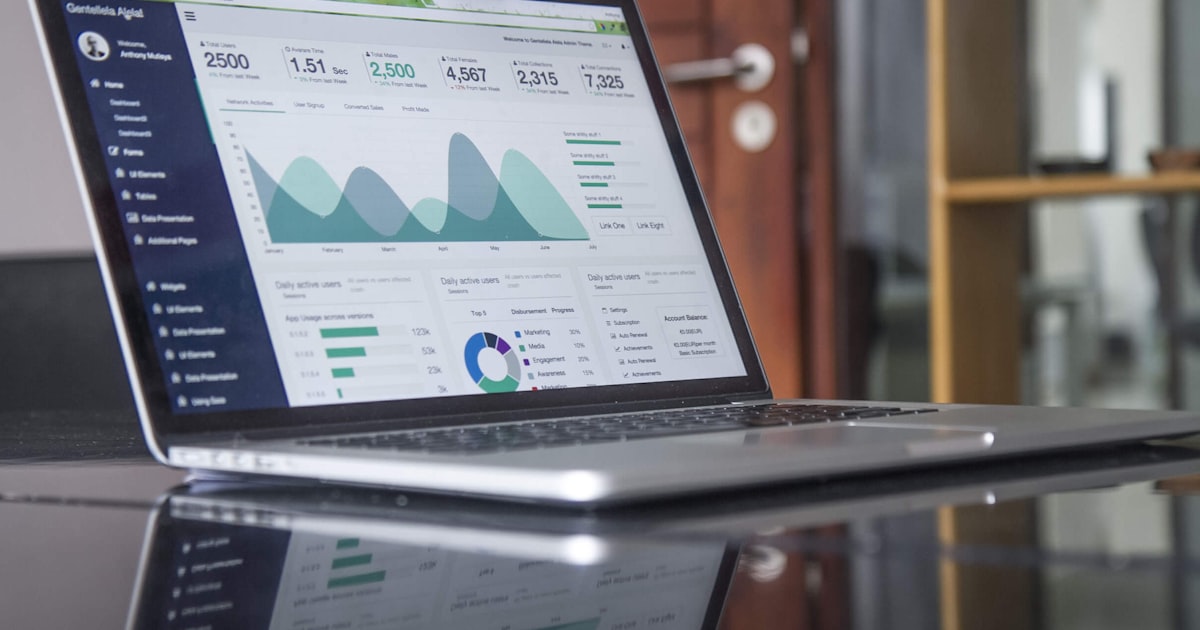
45% of small businesses now have marketing automation software. Most of them are paying for tools they barely use. The welcome sequence never got written. The follow-up emails are still in draft. The dashboard is collecting dust next to 47 unread notifications.
That's the real story of marketing automation for small business. The tools work. The problem is that nobody tells you what to automate, in what order, or what happens when you skip the hard part and just hit "activate."
- Marketing automation returns $5.44 for every $1 spent, but only if you build the right sequences first.
- Start with 3 automations: welcome sequence, abandoned follow-up, re-engagement. In that order. Nothing else until those work.
- Real tool costs: $15-50/mo for what most small businesses need. HubSpot's real automation starts at $890/mo, not $20.
- Automation without content behind it is just expensive silence in people's inboxes.
Marketing automation for small business works when it's built on a foundation of consistent content and clear customer journeys. Without that foundation, you're automating empty emails to people who forgot they signed up. The businesses seeing $5.44 return on every dollar spent built their sequences right. Here's exactly how they did it.
Marketing automation isn't what LinkedIn influencers told you
Everyone selling automation tools makes it sound like you flip a switch and leads pour in. That's not how this works. Not even close.
Marketing automation is software that sends the right message to the right person at the right time without you typing it out manually. A welcome email when someone signs up. A follow-up when someone clicks a link but doesn't buy. A re-engagement email when someone goes quiet for 30 days. That's the core of it.
It's not AI writing your content. It's not a bot running your Instagram. It's triggered emails and workflows that fire based on what people actually do on your site and in your funnel.
The 80% of businesses reporting more leads from automation didn't just install software. They built sequences around real customer behavior. They wrote the emails. They mapped the triggers. They tested subject lines. The tool is the delivery mechanism. The strategy is what makes it profitable.
According to DemandSage's 2026 marketing automation research, businesses using automation see $5.44 return for every $1 invested, and 76% report positive ROI within the first year. But the key word is "using." Buying the tool is not the same as using it.
The only 3 automations worth building first
Most businesses try to automate everything at once. They set up 14 workflows. Half of them overlap. None of them have good content. Three months later, nothing's running and the subscription is on autopay.
Here's what to build first. In this order. Don't skip ahead.
1. Welcome sequence (build this on day one). When someone gives you their email, you have about 48 hours of peak attention. Automated welcome emails get 76% higher open rates than regular business emails. Your welcome sequence should be 3-4 emails over 5 days. Introduce yourself, deliver real value, make a soft offer. This one automation will do more for your revenue than the next 10 combined.
2. Abandoned follow-up (build this in week two). Someone visited your pricing page but didn't buy. Someone clicked your "learn more" link but didn't book a call. These are warm leads going cold while you're busy running your business. A simple 2-email follow-up sequence recovers 5-15% of them. That's revenue you're currently leaving on the table.
3. Re-engagement (build this in month two). After 30-60 days of no opens, send a "still interested?" sequence. Two emails. Short. Direct. Either they re-engage or you clean your list. Both outcomes save you money. Dead contacts cost you per month on every platform.
What automation tools actually cost (the honest version)
Most guides list tools by their starting price and skip the fine print. Here's what you'll actually pay.
ActiveCampaign: $15/mo for up to 1,000 contacts. Includes real automation workflows with branching logic. Best value for small businesses that need actual automation, not just email blasts. This is what we recommend for most businesses under $500K revenue.
Mailchimp: $15/mo for the standard plan. Good for ecommerce with Shopify integration. But you'll outgrow it the moment you need branching logic or lead scoring. Then you're looking at $350/mo. And AI is changing what these tools can do, so the landscape shifts fast.
HubSpot: $20/mo (starter).Here's the trap. The starter plan doesn't include workflows. For real automation, you need HubSpot Professional at $890/mo. Plus a mandatory $3,000 onboarding fee. That's $13,680 in year one for a tool most small businesses don't need.
Zoho: $15-30/moall-in with CRM, email, and basic automation. The interface isn't winning design awards, but the math works for businesses under $500K revenue.
HubSpot's real automation tier costs $890/mo plus a $3,000 onboarding fee. That's $13,680 in year one. Their $20/mo starter plan doesn't include workflows. Don't get locked into an expensive platform before you know what you need.
The real cost isn't the subscription. It's the 20-40 hours of setup time to build sequences, write emails, configure triggers, and test everything. For a small business owner, that's a month of evenings and weekends. Factor that into your decision when you're comparing DIY marketing to done-for-you options.
Why most small businesses fail at automation
67% of businesses using automation see improved targeting and personalization. That means 33% don't. Here's what goes wrong.
No content to automate. Automation delivers content to people. If you don't have content, you're automating empty emails. You need a welcome series written, a lead magnet created, and follow-up emails drafted BEFORE you buy the tool. The tool is the engine. Content is the fuel.
Wrong tool for the stage. A solopreneur with 200 email contacts does not need HubSpot Professional. They need a $15/mo tool and 3 well-written sequences. Match the tool to your current size, not where you hope to be in two years.
Set and forget mentality. Automation isn't passive income. Sequences get stale. Open rates decay after 90 days. You need to update copy, test subject lines, and clean dead contacts every 30 days. The businesses that win at automation treat it like a garden, not a vending machine.
When automation alone isn't enough
If you're spending more than 5 hours a week on marketing tasks that automation should handle, something's broken. Either the setup is wrong, the content pipeline is empty, or you've outgrown what a solo automation stack can do.
Automation handles delivery. It doesn't handle strategy, content creation, social media, ad management, or the dozen other things a real marketing operation needs. It's one piece of the system. An important piece. But just a piece.
At some point, the math changes. You can spend another 20 hours fixing your automation stack and writing emails. Or you can hand the whole operation to a team that runs it for you. That's exactly what a done-for-you marketing service covers.
At Venti Scale, we don't just set up your automations and walk away. We run the entire content and marketing engine. Daily social media posts. Email sequences that get updated monthly. Lead follow-up workflows. Analytics in your own client portal. You get a weekly report showing what happened and what's coming next. You don't touch anything. For the broader category overview on done-for-you marketing services, here's the full breakdown.
Frequently asked questions
How much does marketing automation cost for a small business?
Most small businesses spend $15-50 per month on automation software. ActiveCampaign starts at $15/mo for 1,000 contacts with full workflow features. The bigger cost is setup time: expect 20-40 hours to build your first 3 sequences properly. Total first-year cost for a basic setup runs $200-600 in software plus your time.
What should I automate first in my marketing?
Start with a 3-4 email welcome sequence for new subscribers. This single automation has a 76% higher open rate than standard business emails and typically generates the highest ROI of any marketing automation. Build abandoned follow-ups second, then a re-engagement sequence for inactive contacts third.
Is marketing automation worth it for a business with under 1,000 contacts?
Yes, but keep it simple. A $15/mo tool with 3 well-built sequences will outperform a $890/mo platform with 14 half-finished workflows. Start with welcome, follow-up, and re-engagement automations. Add complexity only after those 3 are running and generating results.
Can marketing automation replace hiring a marketing person?
Automation handles delivery and timing, not strategy or content creation. It saves 6+ hours per week on repetitive tasks like email sends and follow-ups. But someone still needs to write the emails, plan the sequences, and review performance monthly. Most small businesses pair automation tools with a done-for-you marketing service to cover both sides.

Want to see where your marketing stands?
Get a free AI-powered audit of your online presence. Takes 30 seconds.
Get my free audit