ROAS is falling 10% a year. The DTC brands winning anyway run this stack.
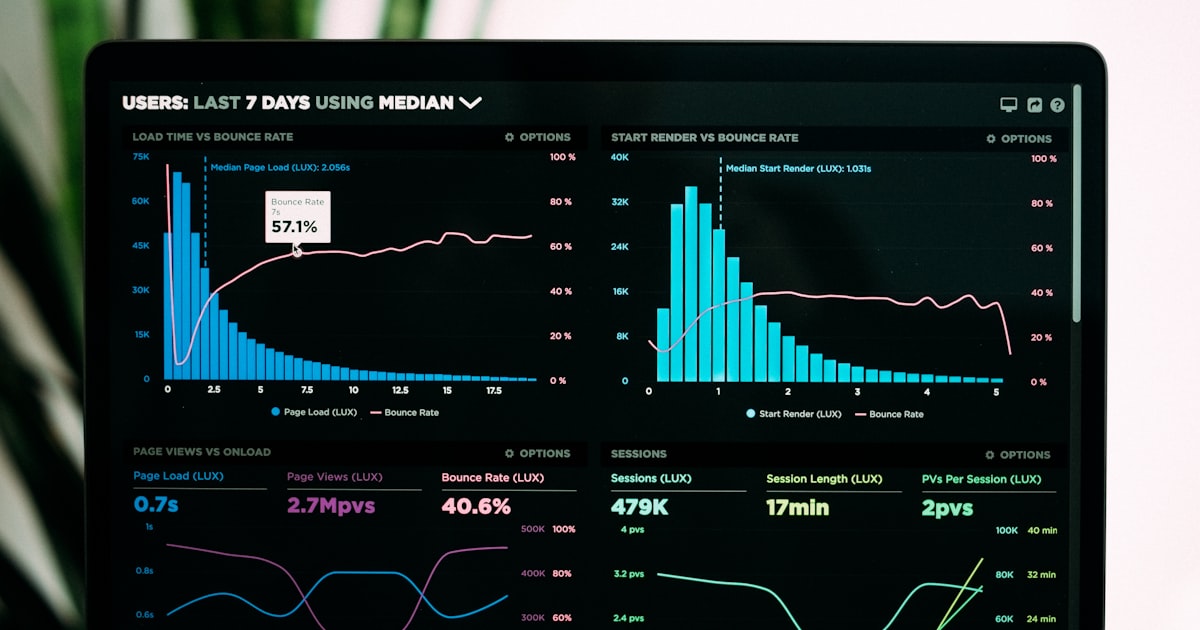
Blended ROAS fell 4-10% across every major paid platform last year. Not Meta alone. Every platform. The DTC founders I talk to know the ads feel harder. They assume it's the creatives. Or the targeting. Or the landing pages. Those things matter. But the bigger shift is structural.
Paid acquisition is genuinely more expensive than it was two years ago. DTC customer acquisition costs are up 40-60% since 2023. Platforms are saturated. CPMs are climbing. You're bidding against more brands for the same eyeballs, on platforms that are running out of room to grow ad load without killing engagement. That dynamic doesn't reverse. The brands still growing in that environment didn't find a better ad strategy. They changed what ads do in their stack.
- Blended ROAS fell 4-10% year-over-year across all paid platforms in 2025-2026. It's structural, not seasonal.
- Email returns $36-79 per $1 spent. SMS returns $71-79 per $1. Neither declines year-over-year because you own the list.
- Meta Advantage+ hits 4.52:1 ROAS vs 1.86:1 for standard campaigns. It only reaches that ceiling when seeded with warm owned-channel audiences.
- The channel mix that compounds: email-first acquisition, SMS retention, paid amplification. In that order.
The DTC brands still growing despite rising CAC and falling ROAS made one structural shift: they stopped treating paid as the primary acquisition channel and started using it to amplify an email and SMS base they already own.
The ROAS decline is structural
The 2026 ecommerce marketing benchmarks from Foundry CRO put the blended ROAS decline at 4-10% year-over-year across Meta, Google, and TikTok. That's not attribution noise. It's a consistent signal across verticals, spend levels, and creative formats. The brands running better creative are losing 4% per year. The brands running worse creative are losing 10%. Nobody's escaping it.
Three things drive it and none of them are going away. First: ad load saturation. Major platforms have hit the ceiling on how many ads they can show per session without killing engagement metrics. More brands competing for the same inventory means CPMs climb regardless of how good the creative is. Second: tracking degradation. iOS privacy changes and third-party cookie deprecation eroded targeting precision across the board, raising the cost per relevant impression even when CPM stays flat. Third: creative fatigue. Users now see upward of 6,000 ad impressions per day. Pattern recognition for ads is faster than it's ever been. The scroll-past happens in under a second.
The math on paid-first compounds badly over time. If your blended ROAS is 3.0:1 today and declines 7% per year, you're at 2.3:1 in 3 years on the same budget. That's the difference between a profitable acquisition channel and one that's barely breaking even on first-order margin. The DTC brands that recognized this early didn't try to beat the decline with better ads. They shifted the mix.
What the owned channel math actually shows
Email delivers $36-79 for every $1 spent. SMS delivers $71-79 per $1. I've run these numbers across multiple DTC brands across fashion, beauty, and home goods, and the range holds. Compare that to a blended paid ROAS of 2.0-2.5:1 for most mid-market DTC brands in 2026 after factoring out Meta's best-case numbers. Email's floor ROI ($36) is 14x a 2.5:1 paid ROAS. SMS floor ($71) is 28x. The math makes the channel priority obvious.
The reason most DTC brands don't feel this gap in their P&L is underinvestment in list infrastructure. A brand spending $50K/month on paid and $400/month on their Klaviyo account isn't set up to capture that ROI. The email flows that drive DTC revenue on autopilot require real engineering: a welcome series that converts subscribers into first buyers within 7 days, an abandoned cart sequence with proper timing and incentive logic, a post-purchase series that drives repeat orders before the customer goes cold. None of that runs on out-of-the-box Klaviyo templates.
The investment is real but the math works at much lower spend than paid. A well-built email system costs $1,000-$2,000/month to run on a list of 10,000 subscribers. That same list generating $45 per subscriber per year in email revenue is a $450K annual channel. Your paid budget at $50K/month is $600K per year at 2.0:1 ROAS. Email approaches that return for a fraction of the cost.
Email and SMS have one structural advantage paid will never have: you own the list. Paid ROAS is subject to CPM inflation every single year. Your email list compounds. Every subscriber added this month is a free impression next month, next quarter, next year. The ROI gap between owned and paid widens over time, not shrinks.
The practical reframe: paid media is renting reach. Email and SMS are buying it. Renting gets more expensive every year. Buying compounds. The retention vs acquisition math for ecommerce reinforces this: keeping an existing customer costs 5x less than acquiring a new one, and email is the highest-performing retention channel across all the data I've seen.
Where Meta Advantage+ actually wins
Meta Advantage+ is genuinely better than manually managed campaigns. The 2026 ecommerce benchmarks are clear: Advantage+ averages 4.52:1 ROAS compared to 1.86:1 for standard campaigns optimized by a human media buyer. That's a 2.4x performance advantage on the same platform with the same ad spend. If you're still running manually managed Meta campaigns in 2026, switching to Advantage+ is probably the single highest-ROI move available to you right now.
But 4.52:1 is an average, not a floor. The brands exceeding it consistently share one pattern: they feed Advantage+ with warm custom audiences built from their email and SMS lists. The AI optimization looks for signals to learn from. A lookalike audience seeded from your 2,000 highest-LTV customers is a far stronger training signal than a broad interest target or an age/gender demographic. Advantage+ learns faster, allocates budget more efficiently, and exits the learning phase sooner. Brands running cold Advantage+ without owned-channel seeds leave 30-50% of that ROAS potential on the table.
Running Meta Advantage+ without first syncing your Klaviyo subscriber list to a Meta custom audience. The algorithm needs strong intent signals from warm audiences to optimize effectively. Cold prospecting with Advantage+ works, but you're missing the primary lever. Seed it with your email list, then let Advantage+ find lookalikes. That's when the 4.52:1 number becomes real.
The second lever: creative volume. Advantage+ with 10 creatives is a different tool than Advantage+ with 150. The algorithm needs variation to test signal against noise. Brands generating 50-200 creative variations per month and rotating them into Advantage+ consistently outperform brands running the same 8 images from 3 weeks ago. The creative volume problem is one of the clearest arguments for AI-generated creative: not because AI is more creative than humans, but because humans can't produce 150 variations per month at a cost that makes sense.
The channel stack that compounds
The DTC brands growing through the ROAS decline run channels in a specific order. It's not about which channel is "best." It's about which channel feeds the next one.
Email builds the base.A welcome series that converts new subscribers into first-time buyers within 7 days. An abandoned cart sequence that captures the 70% who don't convert on first visit. A post-purchase flow that drives the second order before the customer goes dormant. These run 24/7 with no per-send cost. The 2026 DTC CAC benchmarks by vertical show that email-first customers have 2-3x higher LTV than ad-captured customers across fashion, beauty, and pet. The acquisition is cheaper. The customer is worth more.
SMS handles retention.Re-engagement campaigns for customers who haven't purchased in 60 days. VIP flash sale notifications with 24-hour windows. Winback sequences for subscribers who went cold after 90 days of silence. SMS open rates run 98% vs 21% for email. For time-sensitive messages where timing is the whole game, there's no better channel. The ROI floor of $71 per $1 spent is driven almost entirely by high open rates hitting warm, purchase-intent segments.
Paid amplifies what's already working.You know which customers have the highest LTV from email attribution data. Build custom audiences from your top 20% buyers. Run Advantage+ against those lookalikes with fresh creative rotating every week. Paid stops being the primary acquisition lever and becomes the scaling mechanism for customer profiles you've already validated. The cost-per-acquisition drops because you're targeting people who look like your best buyers, not broad audiences who may or may not convert.
What this means for your agency setup
Most full-service agencies charge a percentage of ad spend. Typically 10-20%. On $50K/month in paid, that's $5,000-$10,000/month in management fees. Email and SMS platforms cost $300-$500/month at that revenue level. The fee structure creates an obvious incentive: keep budget in paid channels where the percentage scales with spend, not in the owned channels that would reduce the base the fee is calculated on.
An agency recommending you shift 20% of your paid budget into email and SMS infrastructure is cutting its own revenue by $1,000-$2,000 per month. Most don't make that recommendation. So you keep paying for declining ROAS while the owned channels that could compound your returns sit at 10-15% of budget. Every DTC brand audit I've run surfaces the same pattern: paid-first setups with underinvested email stacks leaving 2-3x ROI on the table.
The approach that actually works coordinates email, SMS, and paid as one system. Not three separate channels managed by three separate teams, each optimizing for their own metrics and hiding behind their own attribution model. One stack, one view of MER, one channel mix that feeds each layer into the next. That's what AI marketing for ecommerce makes operationally possible without the $15,000/month agency retainer that captures most of the margin before you ever see it.
Frequently asked questions
Is blended ROAS really declining for DTC ecommerce brands in 2026?
Yes. Blended ROAS fell 4-10% year-over-year across all major paid platforms through 2025-2026, according to Foundry CRO's 2026 ecommerce marketing benchmarks. This is structural saturation — rising CPMs, 40-60% higher DTC customer acquisition costs since 2023, and platform ad load limits are the core drivers. It doesn't reverse.
What marketing channel has the highest ROI for DTC ecommerce brands?
Email delivers $36-79 for every $1 spent and SMS delivers $71-79 per $1, according to Eightx's 2026 DTC marketing analysis. Both significantly outperform average paid ROAS of 2.0-2.5:1 for most mid-market DTC brands. The structural advantage is that email and SMS have no CPM inflation — you own the list.
How should a DTC brand split its marketing budget between email/SMS and paid ads?
Public DTC brands average 13% of revenue on marketing. For growth-phase brands, a 40% email/SMS and 60% paid split prioritizes owned-channel acquisition while maintaining reach. At $100K+/month in revenue, shifting toward 50/50 typically improves blended MER because email and SMS returns are structurally higher than paid and compound over time.
Does Meta Advantage+ outperform standard campaigns for DTC ecommerce?
Meta Advantage+ campaigns average 4.52:1 ROAS compared to 1.86:1 for standard manually managed campaigns, per 2026 ecommerce benchmarks. The performance advantage is largest when Advantage+ is seeded with warm custom audiences built from email and SMS lists. Brands running cold Advantage+ without owned-channel integration leave 30-50% of that ROAS potential unreached.
Why don't DTC marketing agencies recommend shifting budget to email and SMS first?
Most full-service agencies charge 10-20% of ad spend as a management fee. Email and SMS platforms cost $300-$500/month at most DTC revenue levels — far less than paid spend — making percentage-based fees impractical on those channels. The incentive structure keeps agency recommendations focused on paid even when owned channels deliver 14-28x higher ROI per dollar.

Want to see where your marketing stands?
Get a free AI-powered audit of your online presence. Takes 30 seconds.
Get my free audit