He paid $15K/month for marketing. He fired his team. Profits tripled.

One ecommerce founder was paying $15,000 a month for a marketing team. His copywriter took three days to write a single 500-word email. The social media manager's posts got zero engagement. He wrote about what happened next: he fired everyone. Three months later, profits had tripled.
The story spread fast because every DTC founder recognized the math. Not because firing people is the move. Because the cost structure underneath it had quietly stopped making sense.
- A DTC founder paid $15K/month for a marketing team, replaced them with 3 AI agents, and tripled profits in 3 months.
- A standard in-house DTC marketing team of 3 costs $12,000-$20,000/month in fully loaded salary before ad spend.
- AI execution tools (Klaviyo AI, Meta Advantage+, AI creative platforms) cost $400-$1,500/month and ship faster output at higher volume.
- The switch works for execution-heavy brands. It doesn't work if your differentiation lives in relationships or breakthrough creative strategy.
Replacing a $12,000-$20,000/month in-house DTC marketing team with an AI execution stack cuts monthly costs by 85-90% while delivering faster turnarounds on email, ad creative, and social content.
The $15K/month math that never closes
A typical in-house DTC marketing team of three people looks like this: a social media manager ($55K salary plus benefits), an email marketer ($65K plus benefits), and a copywriter ($60K plus benefits). In fully loaded terms, that's $14,000-$18,000 per month before a single ad runs.
What you get for that: output that takes 3-5 business days per piece, a content calendar that slips when someone calls in sick, email campaigns written from the same template week after week, and monthly reports that focus on impressions regardless of what revenue actually did.
Meanwhile, DTC blended customer acquisition costs increased 40-60% between 2023 and 2025. Every dollar is harder to make back than it was two years ago. The math that made a $15K/month marketing team feel justified in 2022 doesn't close in 2026.
Most founders don't audit this until something forces them to. A bad quarter. A team member who quits and leaves a gap. A competitor who's clearly shipping more creative at a lower CAC. The audit is uncomfortable because it shows you the real cost per output, not the cost per headcount.
What "three AI agents" actually means
The founder didn't replace his marketing team with a ChatGPT subscription. He built three dedicated systems for three specific jobs. Each one does what a full-time hire used to do, faster and at a fraction of the cost.
Email.Klaviyo, fully configured with AI Composer and automated flows. Type one prompt: "run a winback campaign for lapsed VIP customers with 20% off." It builds the full coordinated campaign using 14 years of marketing performance data across similar brands. No 3-day wait. No revision loop. The Klaviyo autonomous marketing rollout made this a one-prompt operation for brands already on the platform.
Paid ads.Meta Advantage+ with AI creative generation tools. Product photos go in. Variations come out. The system tests 50-200 creative combinations simultaneously and surfaces what's winning. A human creative team reviewing three options monthly isn't competing with that volume. And Meta Advantage+ is hitting 4.52x ROAS for brands running it correctly, versus 1.86x for manually managed campaigns.
Social content.A brand-voice-trained content system that generates and schedules posts across platforms. Doesn't miss the Monday post because someone's on vacation. Doesn't run out of ideas at week six.
Total monthly cost for all three: $400-$1,500 depending on platform tiers. Plus 3-4 hours per week to review output and make strategy calls. That's the whole replace-marketing-team-with-AI budget for most DTC brands.
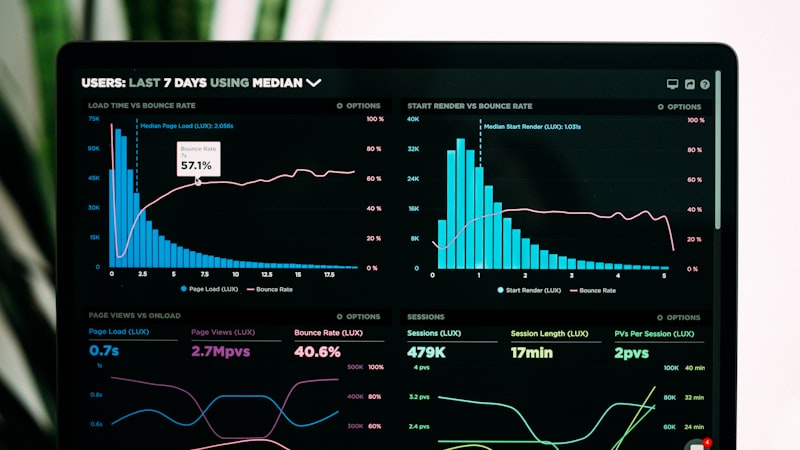
AI execution platforms don't do less than a human team. They do more, faster. Klaviyo AI ships daily personalized sends plus automated flows. Meta Advantage+ tests hundreds of creative variations per month. Human teams can't run at that output volume. That gap is where the ROI comes from.
What you actually lose when you make the switch
Being straight here. There are real things a human marketing team does that AI doesn't replicate:
Relationship capital.The email marketer who personally knew three of your top wholesale accounts. The social manager who had genuine creative instinct for your community. Those relationships don't transfer to a Klaviyo account.
Real-time judgment under pressure.When something goes wrong publicly, you need someone who can read the room. AI will keep scheduling posts on a day you need to go quiet. It won't know the difference.
Creative breakthrough.The campaign idea nobody saw coming. The format nobody else is running in your category. That kind of thinking doesn't come from a template, even a well-trained one.
Assuming this model works for every DTC brand. Luxury brands, community-first brands, and brands whose competitive edge is bespoke creative identity should think hard before replacing human judgment with AI execution. The cost math looks the same. The risk to brand equity doesn't.
The switch makes sense when your marketing team is executing templates and their value is throughput, not judgment. It doesn't make sense when their value is relationships or creative direction. Most in-house teams in the $12K-$20K range are doing execution. That's the honest read.
The output gap that actually drives the profit change
The founder's profits tripled. Not just because he cut costs, though he did. Because output volume compounded.
His old marketing team shipped 6-8 email campaigns per month. His AI stack ships daily sends, triggered flows, and personalized product recommendations. That's a 5-10x increase in customer touchpoints with zero additional headcount.
His old team ran 10-15 ad creative variations per quarter. His AI system runs 200 variations per month and auto-promotes winners. The creative-to-performance feedback loop that used to take weeks takes hours.
Email ROI runs $36-$79 per dollar spent according to 2026 benchmarks. SMS returns $71-$79 per dollar. The brands hitting the high end of those ranges aren't sending more because they hired more people. They're sending more because they automated more. Klaviyo's own customer agent deployment at LifeStraw delivered a 111% increase in AI-driven sales, replacing standard support queries with personalized shopping recommendations. That outcome came from configuration, not from a larger team.
When to keep humans on your marketing team
This isn't a case for going all-in on AI and eliminating everyone. It's a case for being precise about where humans create value in a marketing operation and where they're mostly executing tasks an AI can handle at lower cost and higher speed.
Keep humans for: strategy direction, community management that requires genuine relationship-building, creative leadership on campaigns that need to be genuinely different, and any touchpoint where your brand's competitive edge is founder personality or community trust.
Replace with AI: email drafting, ad creative variation and testing, social scheduling, performance reporting, segmentation, and anything running on a repeatable template. That's roughly 80% of what a traditional DTC marketing team does week to week.
One senior strategist who sets direction and reviews AI output costs less than a full team and produces better results because they focus on what humans are actually good at. The founders who get the most out of this model are the ones who stop doing execution themselves and start doing only the judgment calls that require them specifically.
What this looks like at Venti Scale
I built Venti Scale specifically for this transition. Not as a replacement for a full-service agency, and not as a tool kit you configure yourself. As a done-for-you execution layer: email, social, and paid content running on AI systems trained on your brand, reviewed by me before anything ships.
The founders I work with aren't choosing between hiring a $15K in-house team and paying $150 a month for a ChatGPT subscription. They're running AI systems built specifically around their brand, their audience, and their revenue goals. The output is faster, more consistent, and more trackable than most in-house setups I've seen.
I ran this math on my own operation before I built the product. I know where human judgment is load-bearing and where it's just expensive throughput. For a closer look at what's actually covered, done-for-you marketing services walks through exactly what ships and what stays on your plate.
Frequently asked questions
Can you really replace a marketing team with AI agents?
For execution work, yes. AI agents handle email campaign creation, ad creative generation, social content scheduling, and performance reporting at a fraction of in-house staffing cost. Where AI falls short: relationship-driven work, real-time crisis judgment, and breakthrough creative strategy. Brands that cut execution costs 85-90% using AI do so on throughput tasks, not strategic judgment calls.
How much does an in-house DTC marketing team cost per month?
A typical in-house DTC marketing team of 3 people (social media manager, email marketer, copywriter) costs $12,000-$20,000 per month in fully loaded salary plus benefits. With a marketing director or agency supplement, this easily reaches $25,000-$35,000 per month before ad spend.
What AI tools replace a marketing team for ecommerce?
Three categories replace most execution work: email AI (Klaviyo Composer and AI flows), paid ad AI (Meta Advantage+, AdCreative.ai, AdStellar AI), and content AI (brand-trained content systems for social). Together, these platforms cost $400-$1,500 per month and deliver output volume that exceeds what most in-house teams can ship manually.
How long does it take to switch from an in-house team to AI marketing?
A basic AI marketing stack can be operational within 2-4 weeks. Klaviyo automation flows take 5-10 hours to configure. Meta Advantage+ is on by default in most ad accounts. The slower part is training AI content tools on your brand voice, which takes 1-3 weeks of iteration to get right.
Does replacing your marketing team with AI hurt brand quality?
Not if the AI is trained on your brand voice and reviewed by someone with editorial judgment. Generic AI output sounds generic. AI trained on your specific tone, terminology, and customer language produces content that reads like your brand. The risk is not quality, it is skipping the brand training step.

Want to see where your marketing stands?
Get a free AI-powered audit of your online presence. Takes 30 seconds.
Get my free audit