Your DTC ad audience burns out every 2 weeks. Here's how to stay ahead.

You launch a campaign. Day 1, it rips. ROAS is 3.2. By day 10, it's 1.8. By day 20, it's below break-even. The targeting didn't change. The budget didn't change. The product didn't change.
Your audience burned out.
- Audience saturation is the #1 DTC paid ads problem in 2026. It kills campaigns in 2-3 weeks without fresh creative.
- Average ecommerce CAC is $274, per Shopify. Meta ROAS dropped to 1.86:1. The margin for error is gone.
- Brands that survive saturation ship 2-4 new creative concepts per week. Most small DTC brands ship 1-2 per month.
- AI closes that gap by generating 10-20 distinct concept variations per session at 70-80% lower cost than manual production.
DTC audience saturation happens when the same people see your ad too many times and stop responding. It kills campaigns in 2-3 weeks even when targeting, budget, and product stay exactly the same. The only fix is fresh creative, shipped faster than the algorithm can burn through your audience pool.
Why DTC audience saturation is worse in 2026
The math turned brutal this year. 2026 DTC research confirms audience saturation is now the #1 problem reported by DTC paid media managers, ahead of rising CPMs and iOS signal loss. Shopify puts average ecommerce customer acquisition cost at $274 (apparel running $318). Average Meta ROAS dropped to 1.86:1. The median ecommerce brand is barely above break-even on paid.
The underlying reason isn't just competition for clicks. Meta's best-performing lookalike audiences are smaller than most founders think. A high-quality 1-3% lookalike in a niche typically has 800,000 to 2 million users. On a $3,000/day budget, you can reach that entire pool in 10-15 days. After that, everyone who was going to respond has responded. You're paying to show the same ad to people who've ignored it three or four times already.
The brands still growing profitably share one trait: they ship new creative faster than the algorithm can saturate their audience.
The creative velocity gap that is killing small DTC brands
I've reviewed a lot of DTC ad accounts. The pattern is almost always the same. The brand has one or two hero creative concepts. They perform well for a few weeks. Then performance drops. The founder assumes targeting is the problem and tests new audiences. Those burn out too, because the creative is still the same.
The real problem is creative velocity. How many distinct concepts can you ship per week?
To stay ahead of saturation at a $3,000-5,000/day Meta budget, you need roughly 8-12 new ad variations per month. Each variation needs a meaningfully different angle, not just a color swap. Different hooks, different benefit emphasis, different customer story. A small DTC brand with a freelance designer or in-house creative typically produces 2-4 per month. That's a 3-4x gap between what they need and what they can make.
Testing new audiences when creative is the actual problem. Saturated creative burns through any audience, no matter how fresh the lookalike is. Fix creative velocity first. New audiences with dead creative just accelerate your spend with no payoff.
The same gap shows up whether you're trying to build DTC marketing execution volume at scale or just trying to keep a single channel performing consistently. Without a creative pipeline, every campaign is one burnout away from a restart.
What the brands surviving saturation actually do differently
The DTC brands that stay profitable through audience saturation share three operational patterns.
They treat creative like inventory.The same way you plan a 60-day product supply, they plan a 60-day creative pipeline. New concepts are always in production so there's never a gap when the current batch burns out.
They watch frequency before ROAS.The moment 7-day frequency hits 3.0, that ad gets swapped. Not when ROAS falls. Before it falls. By the time ROAS drops, you've already burned a week of budget proving the audience is done with that concept.
They diversify concept angles, not just visuals.A DTC pet supplement brand running separate angles for joint pain in senior dogs, energy in working breeds, and owner guilt ("you didn't notice the signs until now") will outlast a brand hammering one angle until it burns. Same product. Three different audiences responding to three different truths about it.
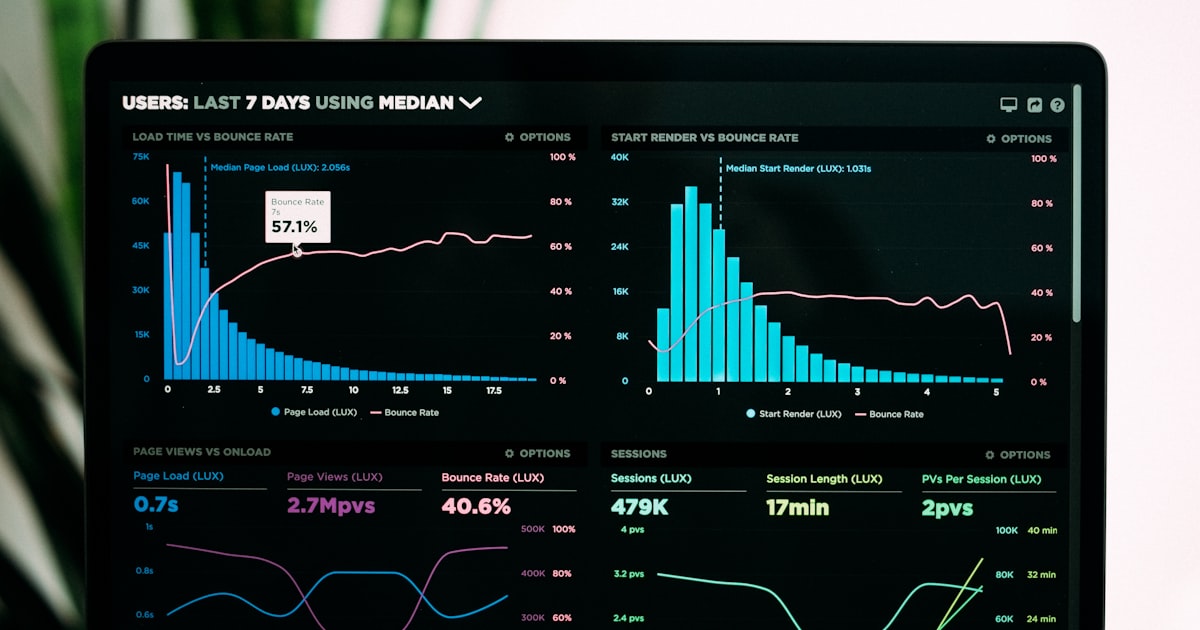
Audience saturation is the leading reported problem in DTC paid media in 2026. The brands outperforming it ship 2-4 distinct creative concepts per week. Manual creative production maxes out at 1-2 per week for most small teams, which means they are always behind the saturation curve.
How AI closes the creative velocity gap
Manual creative production doesn't scale to 8-12 variations per month without a significant budget. A freelance designer charges $200-400 per static ad. A short-form video concept with editing runs $500-1,500. At 10 variations per month, that's $2,000-5,000 in creative spend before you know if any of it works.
AI cuts that cost 70-80%. A brand with a solid product brief and a working creative system can generate 10-20 distinct concept scripts, hook variations, and copy angles in under two hours. For static ads and email, AI-generated creative now matches human output for products under $100 AOV. That's why AI-generated ads are outperforming human creative in that tier. Not everywhere, but where it counts for most DTC brands.
The workflow looks like this. Feed the AI your product's core pain points, your top-performing ad hooks from the last 90 days, and 3-5 customer testimonial themes. It generates 15-20 distinct variations across different emotional angles. You pick the 6-8 worth producing. Production takes days, not weeks. You're now shipping at a rate that keeps pace with saturation instead of always chasing it.
The brands seeing the best results don't just use AI to write copy once. They build a full creative system: a documented angle library, a hook archive of what's worked, and a monthly creative sprint cycle. The system keeps producing even when the founder is heads-down on product or operations. This is the same operational logic behind AI marketing for ecommerce at brands that are compounding instead of firefighting.
What a creative velocity system actually looks like
I run creative velocity as a core system for ecommerce clients. Not a one-time creative package. A repeating cycle tied to the ad account calendar.
Every two weeks, I audit the live ad account: frequency by ad set, CTR trends, ROAS curves by creative. Any ad showing 7-day frequency above 3.0 gets flagged for replacement. I pull the top-performing hooks from the last 30 days, brief the next batch of AI-assisted concepts against them, and have new variations ready before the old ones hit the saturation wall.
The client doesn't manage any of this. Their ad account stays fresh. CAC doesn't spike every 3-4 weeks because one hero creative burned out. The system runs on a schedule, not in reaction to a crisis.
That's the difference between having creative and having a creative system. Most DTC brands have creative. Almost none have a system that reliably produces it on the cadence saturation demands. The ones that build that system stop chasing their ROAS and start compounding it. If your brand spends on Meta and you haven't audited your frequency dashboard this week, that's where to start.
Frequently asked questions
What is audience saturation in DTC advertising?
Audience saturation happens when the same people see your ad too many times and stop responding. In DTC, it typically kills a campaign within 2-3 weeks even if targeting, budget, and product stay the same. Frequency climbs, CTR drops, and ROAS falls below break-even. Fresh creative is the only fix.
How often do DTC brands need to refresh their ad creative?
Most DTC brands need 2-4 new creative concepts per week to stay ahead of saturation at a $3,000-5,000/day Meta budget. That means 8-16 distinct ad variations per month. Most small brands with manual creative processes produce 1-2 per month, creating a 4-8x gap between what they need and what they ship.
What causes DTC audience saturation?
Audience saturation in DTC is caused by limited targeting pool sizes, high daily reach, and algorithm burnout. A high-quality 1-3% lookalike audience in a niche typically has 800,000 to 2 million users. A $3,000/day budget can reach that entire pool in 10-15 days. Once frequency hits 3-4 in a 7-day window, performance deteriorates fast.
Can AI help with DTC creative velocity?
Yes. AI can generate 10-20 distinct ad concept scripts and hook variations from a single product brief in under two hours. For static ads and email copy, AI-generated creative now matches human output for products under $100 AOV. The result is 5-10x the concept output at 70-80% lower production cost.
How do I know if my DTC ads have audience saturation?
The clearest signal is declining ROAS with stable spend and no creative change. Watch your frequency metric. Once 7-day frequency hits 3.0-4.0 and CTR starts dropping while CPM holds steady, you are saturated. Swap creative before ROAS falls, not after. By the time ROAS drops, you have already burned a week of budget.

Want to see where your marketing stands?
Get a free AI-powered audit of your online presence. Takes 30 seconds.
Get my free audit