Most DTC founders can't say which AI marketing tool is working.
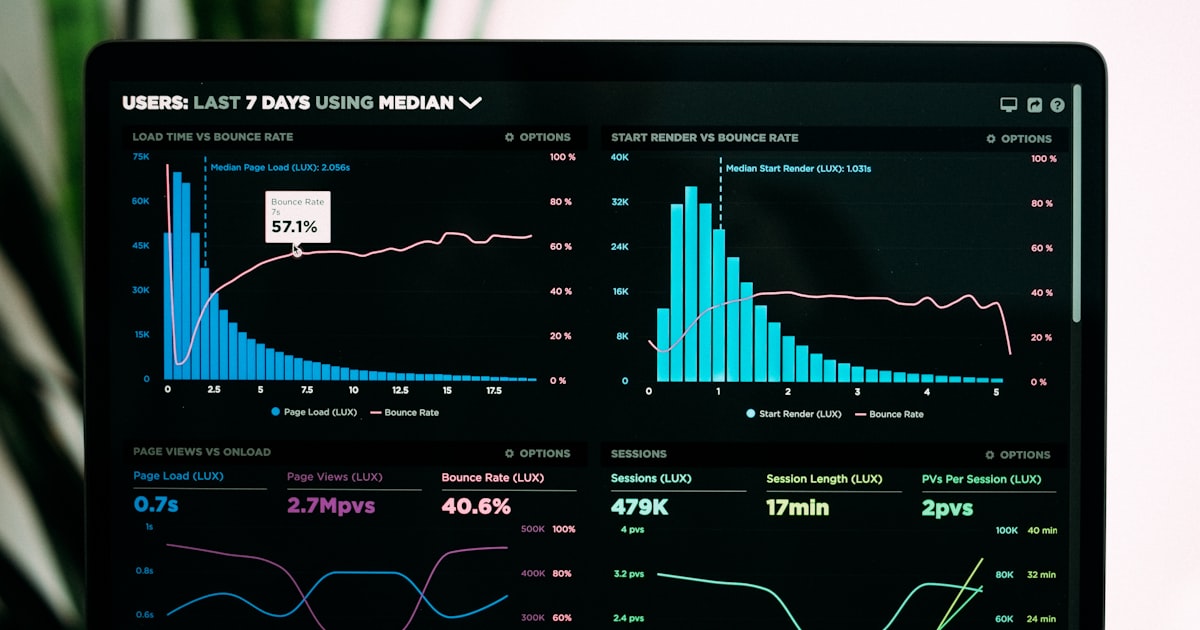
Rippling, a major HR platform, discovered last month it was spending the equivalent of 40% of its entire engineering headcount budget on AI tokens. The spend was growing 80% month over month. One engineer alone ran up $50,000 in a single month. Nobody had been tracking it.
Most DTC founders I talk to are running the same experiment with their AI marketing tool stack. Multiple subscriptions, multiple dashboards, and no unified view of what any of it is returning. The AI marketing tool ROI question gets asked around month four, when the credit card statement is too big to ignore.
- Rippling spent 40% of its engineering headcount budget on AI tokens before anyone measured it. Cost fell 37% after implementing tracking.
- DTC founders are running the same experiment with Klaviyo, Shopify Magic, Meta Advantage+, and AI creative tools. Multiple tools, no unified view.
- Three numbers close the measurement gap: spend per tool, attributed revenue per channel, cost per attributed order.
- You can build this view in a spreadsheet. It takes two hours the first time and 30 minutes a month after that.
The fix is almost never the tools. It's the lack of a way to see what the tools are doing together. Once you have that view, the decision of where to scale and where to cut makes itself.
The company that learned this lesson at $50,000 per month
Rippling's AI spending problem is worth understanding because it shows how fast untracked AI spend compounds. According to TechCrunch, by early 2026 they were on track to spend the equivalent of 40% of their R&D headcount budget on AI tokens alone. Just 10 to 15 percent of employees were driving 60% of total spending. One engineer hit $50,000 in a single month.
They built an AI Spend Console. It routes prompts to cheaper models automatically, caps individual spend, and flags engineers with high costs relative to output quality. The result: token spend dropped from 40% to 15% of headcount budget. A 37% reduction in overall AI costs, while maintaining similar output volume.
The lesson isn't that AI is expensive. It's that AI spend without measurement compounds fast, and the fix is simpler than it looks. You just have to actually build the view.
Your AI marketing stack has the same problem
Most DTC brands running in 2026 have at least four AI-powered marketing tools active simultaneously. Klaviyo with AI content generation and predictive analytics. Shopify Magic powering product descriptions, Sidekick, image editing, and store search. Meta Advantage+ making autonomous bidding and creative decisions. An AI creative tool for ad images or video. Maybe a chatbot or AI customer service layer on top.
Each subscription makes sense on its own. The problem is no one is measuring the stack as a whole. When I audit a DTC brand's marketing setup, I ask one question first: which of your AI tools drove the most revenue last month? Nine times out of ten, the founder pauses.
Not because they don't care. Because there's no view that shows them. Klaviyo reports email revenue. Meta reports ROAS. Shopify reports conversion. None of them show you what the combined AI layer across all of it is actually returning. The gap between AI adoption and AI results almost always starts here, not with the tools themselves.
Every AI marketing tool optimizes for its own metric. None of them show you the blended return across your full stack. Building that view is your job. It's not something any vendor will do for you.
This is exactly what Rippling was dealing with, just in a marketing context instead of an engineering one. Separate tools, separate metrics, no unified signal. Until someone builds the view, you can't optimize anything.
The three numbers that tell you what your AI marketing tools are returning
The measurement gap isn't hard to close. You need three numbers per tool, updated monthly.
Monthly spend per tool.This sounds obvious. Most founders can't tell me the number without logging in to check. Write down every AI marketing subscription, what it costs per month, and what it's supposed to be doing. This is your starting line. If you want to understand what AI marketing actually costs across a typical DTC stack, there's a full breakdown worth reading.
Attributed revenue per channel.What is each AI-powered channel actually returning? For email, Klaviyo shows email-attributed revenue directly. For Meta Advantage+, check your blended ROAS per campaign. For Shopify Magic, compare conversion rate on AI-generated pages versus pages it didn't touch. The goal isn't perfect precision. It's relative signal: is channel A returning 5x more than channel B at the same cost?
Cost per attributed order.Divide your monthly spend on each tool by the orders you can attribute to that channel. If your AI email tool costs $200/month and drove 50 orders, that's $4 per attributed order. If your AI creative tool costs $300/month and drove 15 orders, that's $20. Now you have something to act on.
These three numbers take about two hours to pull together the first time. After that, it's a 30-minute monthly task. The value isn't the numbers themselves. It's what they force you to see.

Last-click attribution lies. An AI-generated email might warm a customer who then converts through a retargeting ad. Track all three numbers across 60-90 days before making cut decisions. Single-month snapshots miss the compound effect of AI marketing tools working together.
How to build the view without a data team
You don't need a business analyst or custom dashboards. A Google Sheet with three tabs works. One tab per channel with monthly spend, attributed revenue, attributed orders, and cost per order. One summary tab that pulls them together.
Run it month over month. Look for three things. What's improving? What's declining? What's eating budget with no clear attribution trail?
Once you have the view, most founders find one AI tool that's clearly underperforming and one that's outperforming everything else. The move is obvious: cut the underperformer, reinvest in what's working, add something new to test. That's how intentional AI marketing spend compounds instead of just growing.
The other thing the view shows you: which AI tools are doing overlapping work. If your AI email tool and your AI creative tool are both claiming credit for the same customers, your attribution is broken. Finding that is worth the two hours alone.
What measurement looks like when someone else runs your stack
The founders who close this gap fastest are the ones who either built the view themselves early or handed it off to someone who was going to build it for them.
I review the AI marketing stacks of every brand we work with at Venti Scale. The pattern is almost always the same: founders can tell me how much each tool costs, but they can't tell me what any of them is returning. We fix that in the first 30 days. Every AI tool in the stack feeds into a weekly report in your client portal. Email revenue, ad ROAS, content conversion, and AI creative performance sit in one view. You don't pull reports from four different dashboards. You see the full stack move week over week.
That's what real AI marketing for ecommerce looks like. Not just adding tools. Running a measurable stack where you can see what each piece is returning, and act on it.
Frequently asked questions
How do I calculate ROI on AI marketing tools?
Divide your monthly spend on each AI tool by the revenue you can attribute to that channel in the same period. If your AI email tool costs $200/month and drove $4,000 in email-attributed revenue, that's a 20x return on that specific tool. The harder number to get right is attribution. Email and content often warm a customer who converts later through a different channel. Use 60-90 day windows, not single sessions, before drawing conclusions.
What AI marketing tools do most DTC brands use in 2026?
The most common stack I see on DTC brands: Klaviyo for email and SMS with AI content generation and predictive analytics, Shopify Magic and Sidekick for product pages and admin, Meta Advantage+ for autonomous ad buying, and one AI creative tool for ad visuals or video. That stack typically runs $300-800/month depending on list size and ad spend. Most founders can name the tools but can't say what the combined stack is returning.
How long does it take for AI marketing tools to show ROI?
Email and SMS automation typically shows measurable ROI within 30-60 days of going live. AI ad creative and Meta Advantage+ take 60-90 days to exit the learning phase and produce stable ROAS numbers. AI content tools take longest to measure since their impact shows up in organic conversion rate, which shifts slowly. Measure at 90 days before making a tool decision either way.
Should I cut an AI marketing tool that isn't showing clear returns?
Not immediately. Some tools take 60-90 days to produce signal. But any AI marketing tool that can't show you clear attribution after three months of normal use has a measurement problem, which is often the tool's problem, not yours. Ask the platform to show you the revenue it drove. If they can't surface a number, that's a red flag.
What's the biggest mistake DTC brands make when adding AI to their marketing stack?
Adding AI tools before setting baseline metrics to compare against. If you don't know your email conversion rate, your page conversion rate, or your ad ROAS before the tool goes in, you have no way to measure its impact. Set a 30-day baseline on each metric. Add the tool. Compare the same metrics 60 days later. The delta is the AI's actual contribution.

Want to see where your AI marketing stack stands?
Get a free audit of your current tools, spend, and what's actually returning. Takes 30 seconds.
Get my free audit