These AI platforms turn your product URL into a live ad campaign. No agency needed.
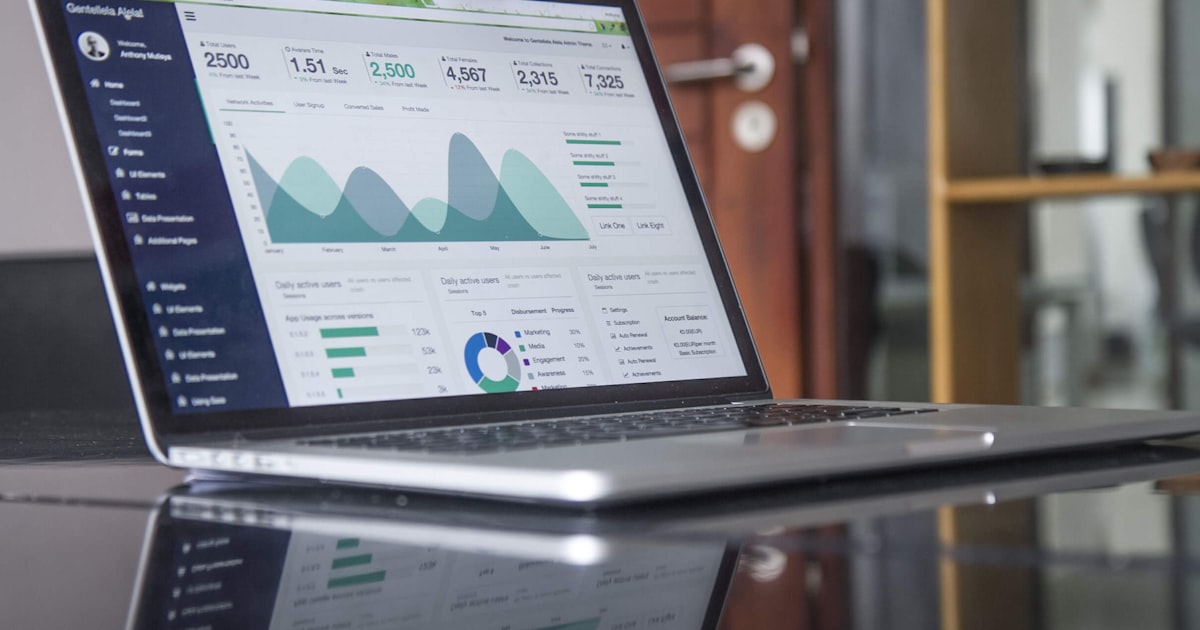
Two weeks to brief the agency. One week to build the campaign. $4,000 retainer. Meanwhile, another brand pasted their product URL into an AI platform and had 12 Meta ad variations live before lunch.
That's not a hypothetical. Full-stack AI ad platforms crossed the threshold from "interesting experiment" to "actually works" sometime in the last six months. If you're still building campaigns the traditional way, you're already behind on speed and creative volume.
- Full-stack AI ad platforms turn a product URL into a live Meta campaign in under an hour, with no designers or video editors needed.
- These platforms generate image ads, video ads, and UGC-style avatar creatives automatically, and can analyze what competitors are running in the Meta Ad Library.
- Meta ROAS averages 1.86-2.19:1 in 2026. Brands hitting 4x+ test 50-100 creative variations per month, not 5-10.
- AI handles production. You still need human judgment for strategy, targeting, and knowing when to kill a campaign that's bleeding cash.
Full-stack AI ad platforms can turn a product URL into a live Meta campaign in under an hour. No designers. No copywriters. No agency kickoff meetings. The category launched quietly and it's already changing what ecommerce founders should expect from their ad spend.
What a full-stack AI ad platform actually does
This isn't a scheduling tool with an AI badge slapped on it. These are end-to-end campaign builders.
You paste in your product URL. The platform scrapes the page: product images, headline copy, features, price. Then it generates ad creatives in multiple formats at the same time. Static image ads. Short video ads with motion and overlays. UGC-style avatar clips that look like someone filmed a review on their phone. Some platforms can also pull from the Meta Ad Library to analyze what competitors are running in your category, so you're not guessing which formats work.
After generation, the platform publishes directly to your Meta Ads Manager with suggested audience targeting and starting budgets. The whole process takes less time than the email you'd write to brief an agency creative team.
The creative volume problem Meta isn't telling you about
Meta Advantage+ is an AI optimization system. It needs creative volume to work. Meta's own guidance scales with spend: roughly 10-15 creative concepts at $100-300/day, climbing to 50-100+ at $5,000+/day. Feed it fewer than that and it can't reliably separate winners from noise.
Most agencies send you 10 creatives a month. Some send 5. When the algorithm doesn't have enough to work with, it picks a winner too early based on limited signal. Performance plateaus. ROAS sits at the 2026 industry average of 1.86-2.19:1 and your agency tells you the market is just competitive right now.
It's not the market. It's the volume. As I covered in the breakdown of how Meta Advantage+ needs 1,000 creatives to actually optimize, the gap between what the algorithm needs and what agencies deliver is the main reason so many brands plateau at mediocre ROAS. AI platforms solve this structurally.
Brands feeding Advantage+ high creative volume consistently outperform brands feeding it 5-10 variations a month, because the algorithm has enough signal to find real winners instead of optimizing toward the least-bad option it's been given.
An AI ad platform running weekly generates 50-100 variations without additional cost per variation. Agencies charging $8,000/month for 10 creatives are now structurally disadvantaged on the exact platform they've been selling you on for years.
Where AI ad platforms still fall short
I ran one of these platforms on a client product last month. Had 24 ad variations live in 40 minutes. The creative quality for image and short video was strong, especially for testing hooks and offers. But there's a real ceiling.
AI platforms automate production. They don't automate judgment. They don't know your target CPA, your seasonal inventory patterns, or when a spike in CPM means pull back instead of double down. Running one of these platforms without a strategy layer is just automating your way to wasted spend faster than a slow agency would get you there.
UGC avatars aren't real UGC.The AI-generated avatar clips work well for testing which message resonates. They don't replace actual customer testimonials or founder videos for trust-building at higher price points or longer consideration windows.
Platform depth is uneven.Most AI ad platforms connect cleanly to Meta. TikTok integration is patchier. Google Performance Max support is rare and usually underdeveloped. If you run a multi-channel paid strategy, you're probably still stitching tools together.
Offer and targeting logic still need human input. The platform generates the creative. It doesn't know whether to lead with your discount, your guarantee, or your social proof for a cold audience. That comes from knowing your customer. For the pre-spend side of this, the breakdown of how AI predicts ad creative winners before you spend covers how to layer testing logic on top of the volume these platforms generate.
What this means for your ad spend in 2026
The right setup isn't "AI platform or agency." It's AI production volume plus a human strategy layer on top.
AI handles the creative generation at the volume Meta's algorithm actually needs. Humans handle audience targeting, offer sequencing, budget decisions, and knowing when to kill something that's draining cash. The brands winning on paid in 2026 test 40-50 ad concepts per month. The brands staying stuck test 5-10. That gap isn't about budget. It's about production capacity.
At Venti Scale, we run AI for creative volume and bring human judgment for what to test, when to scale, and how to coordinate paid with email so you're not burning retargeting budget on subscribers your next campaign would have converted anyway. If you want to see how the full stack fits together, the guide to AI marketing for ecommerce covers the whole system.
The cost math alone is hard to ignore. Most AI ad platforms run $200-$800 per month. A traditional creative agency charges $4,000-$10,000 for fewer variations, slower turnaround, and no direct platform connection. For brands doing $50K-$200K/month, that difference in production cost changes your margin math. For the video side of this, how brands are producing video ads without hiring creators shows exactly where the per-unit cost collapses.
Frequently asked questions
What is an AI ad platform for ecommerce?
An AI ad platform is a full-stack tool that generates ad creatives (images, video, and UGC-style clips) from your product URL and publishes them directly to Meta Ads Manager, without requiring a designer or agency. Platforms like AdStellar can produce 50+ creative variations per week in under an hour.
Can AI really build a Meta campaign from just a product URL?
Yes. Modern AI ad platforms scrape your product page, generate multiple creative formats, and connect directly to Meta Ads Manager. The full process takes under 60 minutes from product URL to live campaign. The platforms also analyze competitor ads from the Meta Ad Library so you can see what is winning in your category before you spend a dollar.
How much do AI ad platforms cost compared to a traditional agency?
Most AI ad platforms charge $200-$800 per month. A traditional creative agency runs $4,000-$10,000 per month for similar output, usually with far fewer creative variations (5-15 per month vs 50+ from AI). AI platforms produce more volume at roughly 10-20% of the agency cost.
Do I still need human judgment if I use an AI ad platform?
Yes. AI platforms automate production, not strategy. You still need someone who knows your target CPA, your CLV:CAC ratio, and when a campaign is burning budget vs building momentum. Running one of these platforms without a strategy layer just automates wasted spend at a faster rate.
What is the difference between an AI ad platform and a creative agency?
A creative agency provides strategy, copy, and campaign management at high cost with low creative volume, typically 5-15 variations per month. An AI ad platform provides high-volume creative production at low cost but no strategic judgment. Most brands doing $50K-$200K per month need both layers working together.

Want to see where your marketing stands?
Get a free AI-powered audit of your online presence. Takes 30 seconds.
Get my free audit